Twelve Years of Modi Government : A Time for Fresh Energy on the Road to Viksit Bhara – Prof Jasim Mohammad

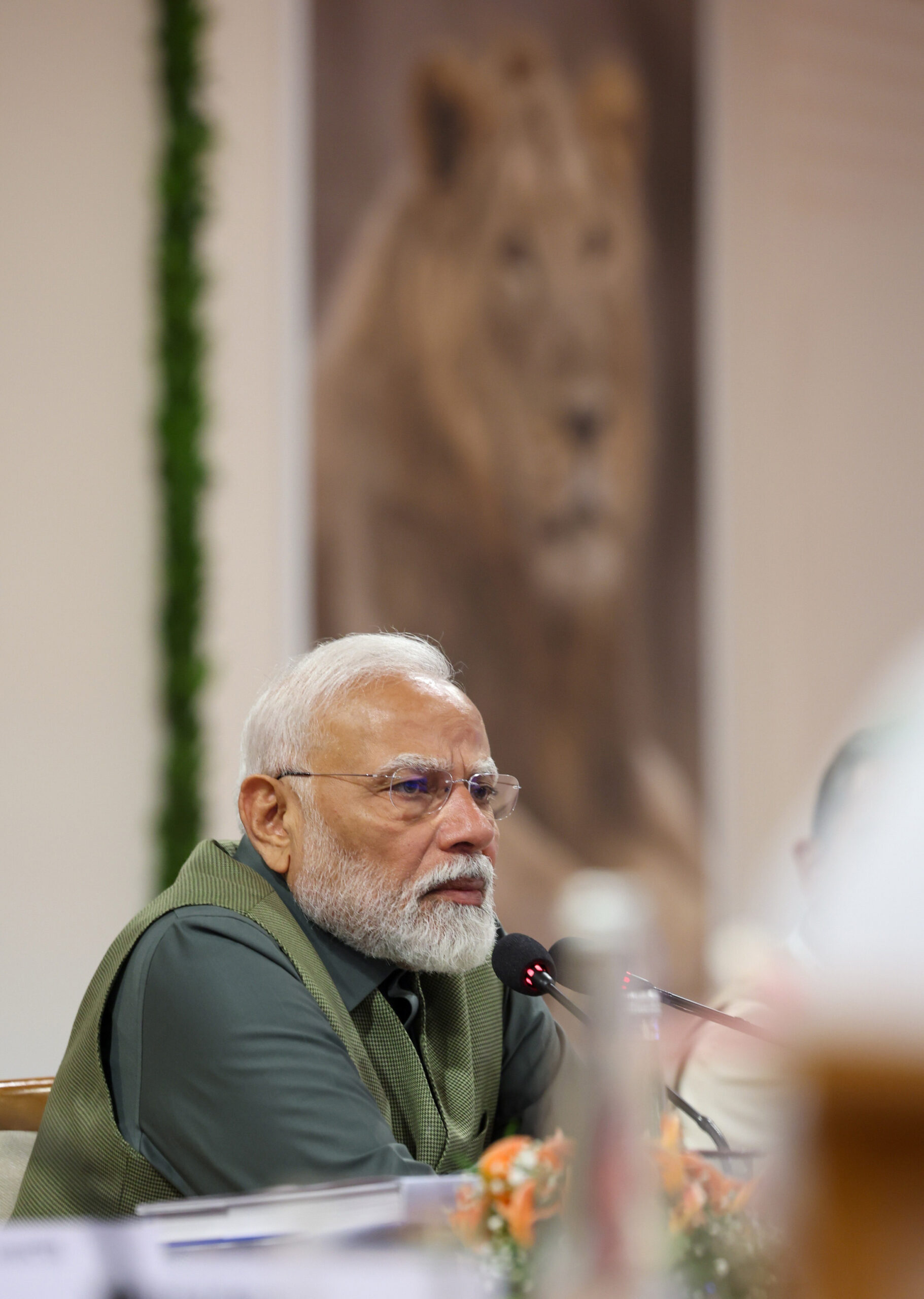
As the Government of India completes twelve years of the Prime Minister Shri Narendra Modi rule, it is fitting that we take stock of where the country stands. India has made spectacular strides in its growth as a regional power, its achievements in terms of digital transformation, welfare, economic reforms, its stand on foreign policy issues, and technological innovation have seen it emerge as a global leader. But we also know that with time comes complacency, and it is important to introspect and move forward afresh as the country prepares to take on the next leg of its journey towards becoming Viksit Bharat.
India has always prided itself on being a vibrant democracy, but the recent protests at Jantar Mantar New Delhi and the sheer turnout of the new generation of voters who are better connected and more aware than ever before is an indication that the youth want to be a part of the development narrative and have their say. A confident India will always engage with its citizens in a spirit of camaraderie, and the youth will always play a critical role in taking the country forward.
Prime Minister Narendra Modi has spoken about making India a developed nation by 2047, a vision that has inspired people all over the country. But he knows that while India has made spectacular strides towards this goal, there needs to be renewed focus and energy to reinvigorate the machinery to meet this target. As the country moves forward, every institution needs to be in sync to meet this objective. In that sense, I believe it is important to focus on communication, both within government and with the larger citizenry.
Across ministries, think-tanks, academia, research institutes, voluntary agencies and civil society organisations reach out to various ministries with proposals, papers, invites to interactions and dialogues, and suggestions. But invariably, many of these emails and letters go unanswered for long, if they get a reply at all. It is important that we respond to every outreach, even if it is to thank them for their gesture or ask for more information. Such engagements can help us build stronger connections with civil society and take our governance mechanisms to the next level.
The government has been promoting Jan Bhagidari, and in its endeavor, the ministries must come up with effective mechanisms to respond to citizens, researchers, academic institutions, and social organizations. Many brilliant schemes remain unexecuted only due to the absence of a proper platform for discussion. The culture of responsiveness will not only enhance the efficacy of policy-making but also boost public confidence in the government.
Another welcome change witnessed over the past twelve years has been the relative decline in the number of ministers and public authorities engaging in think tanks, non-governmental organizations, academia, and private agencies. During the early years of the current regime, cabinet ministers and heads often participated in conferences, seminars, symposiums, and dialogues. Such interactions provided an excellent platform for free-flowing of ideas and fostered a sense of solidarity between the government and society. It is high time we witness such enthusiasm and vibrancy from the public officials again.
Interacting with the public is not just an option but a necessity for any government that wishes to stay relevant and responsive to the nation’s needs. A minister’s exposure to diverse opinions from interacting with entrepreneurs, social workers, scholars, students, researchers, and NGOs will enable him to make more informed policies. Similarly, the public’s involvement in the policymaking process will make them feel valued and respected, enhancing their faith and trust in the government. These interactions will provide the ministers with firsthand information about the difficulties and expectations of the people, enabling them to formulate policies in a more informed manner.
The next twelve years must see the government plugging the loopholes and gaps that have so far hampered India’s growth and development. Red-tape, bureaucratic delays, and sluggish response to national demands have affected India’s growth trajectory and must be checked. Governance is an ongoing process, and the government must keep evolving and enhancing its performance to meet the rising demands of the people. A vibrant government that understands its importance and power must be willing to improve itself and accept criticism to enhance its performance. After all, the strength of the current government is demonstrated by its ability to harness the talents of the youth, utilize its vast manpower, and boost technology and digital literacy to propel India into Viksit Bharat.
India today finds itself at an exciting crossroads. Its demographic dividend, economic potential, and emerging global stature will propel India to greater heights and fulfil the dream of Viksit Bharat by 2047. However, there is much more to be done before India can attain the status of a developed nation by the envisioned date. Strong public institutions, responsive governance, and people’s participation in the policymaking process are vital elements of India’s growth story. Development is not just about constructing mega-projects, digital infrastructure, and promoting the Indian economy on the global stage. Development also entails building institutions of governance, strengthening democratic setup, and enhancing people’s participation in the decision-making process of the country.
Twelve years is too short to cherish past glories and bask in the achievements of the last decade. Instead, the government should use this period to refresh its image, build upon its achievements, and strengthen its commitment to the nation. As India progresses towards Viksit Bharat, the government must foster a robust system of consultation with the public, promote responsiveness to public demands, enhance communication, and reinvigorate its interactions with think tanks, academia, and social organizations. If the government can build upon the existing momentum while also addressing its existing vulnerabilities, India’s journey to Viksit Bharat will be truly special and unprecedented.
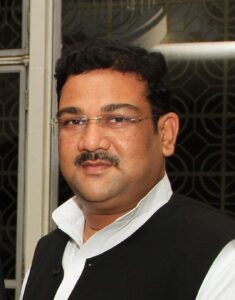
(Author is Professor and Chairman Centre for NaMo Studies (CNMS) Email: profjasimmd@gmail.com )