BRICS 2026: Narendra Modi’s Vision of a More Inclusive and Balanced World – Prof Jasim Mohammad

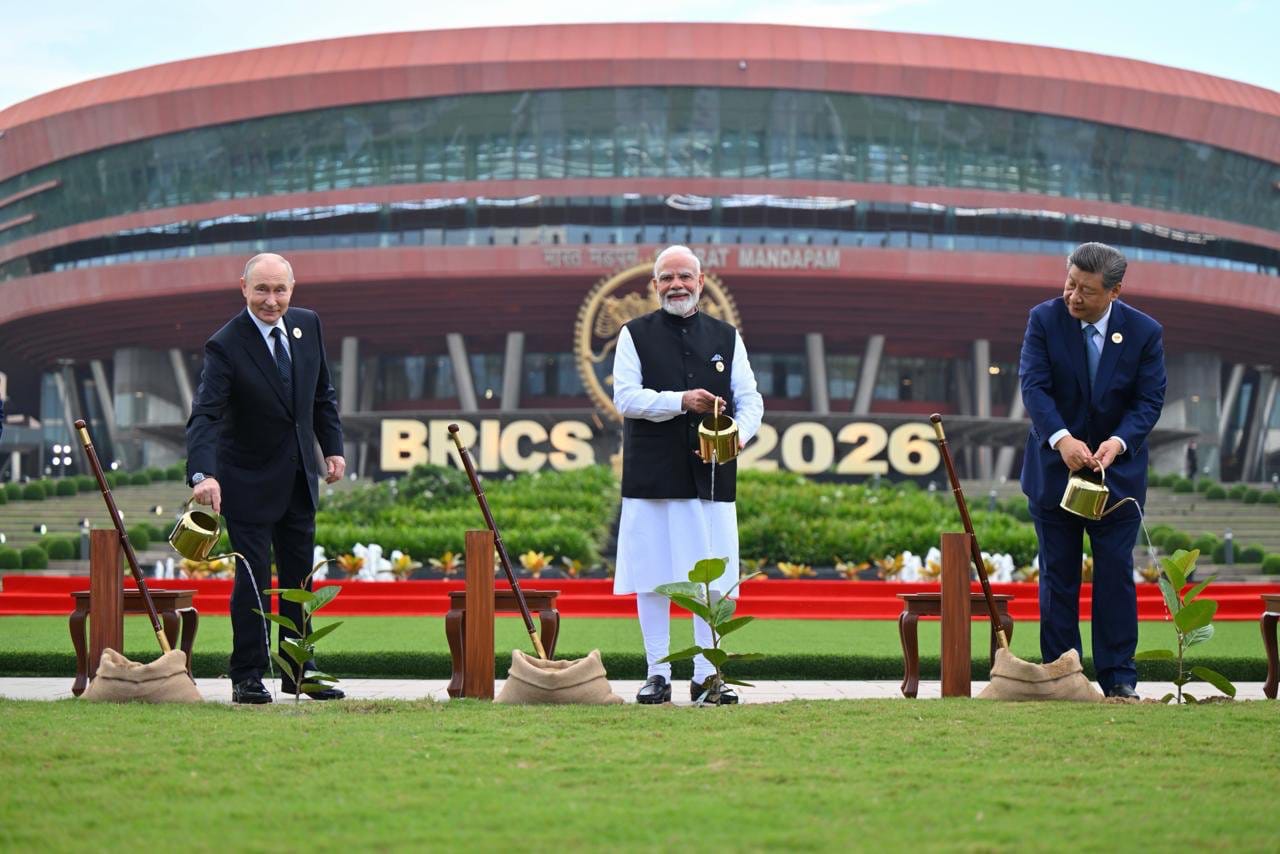
The successful culmination of the BRICS Summit in New Delhi is indeed a significant milestone on India’s journey to becoming a confident and influential global player. It is the manifestation of India’s readiness to stand up for itself and other developing countries to speak out on the international stage. The Summit provided an excellent platform for discussing matters of mutual interest, and India’s role in it demonstrates the country’s growing diplomatic confidence and clout.
Moreover, it is worth mentioning India’s pro-Global South stance, as well as its attempt to raise the most pressing issues for the countries of the Global South. It is fair to say that the developing countries’ interests have long been overlooked in international forums. However, India seems to have acknowledged this fact and is now advocating for a more inclusive approach to international relations, which has always been India’s priority. A large number of issues affecting the majority of the Global South countries, ranging from poverty to food security and third-world debt problems, should be discussed in more detail. I am convinced that Prime Minister Narendra Modi’s call for a more relevant and realistic international order will lead the BRICS countries to take practical steps to address the existing challenges.
Furthermore, India has invested heavily in the concepts of resilience, innovation, cooperation, and sustainability, which were the focus of the Raisina Summit. I believe it is worth noting that these ideas resonate with the most pressing concerns of the global community. The entire world is now confronted with the consequences of the pandemic, digitalization, inflation, political and economic volatility, and other challenges requiring a coordinated and multi-faceted response. India has recognized the need for a resilient and adaptive economy that can withstand external shocks better. I Additionally, India has prioritized innovation, which seems like a logical step, considering the current global trends. In my opinion, this is also an attempt to ensure that technological advancement is not the privilege of the world’s elite but is instead harnessed to benefit local businesses and economies. Modi’s ideas are also relevant to the current global situation because they value young people and small businesses and promote economic and digital empowerment.
Youth and women’s empowerment are crucial to securing the future of international relations, and India has made a wise choice by prioritizing these issues. Young people are the driving force behind any country’s development, and their voices must be heard. Women’s empowerment has become one of the world’s most pressing problems, and young people, as well as women, are at the forefront of this global challenge. India has identified women’s empowerment as a key foreign policy goal and has pledged to advance this cause both bilaterally and regionally. Enhanced international cooperation in education, science, technology, and innovation will yield truly remarkable results and open up new employment opportunities for young people and women in the BRICS countries. India has made it clear that it is committed to a more equitable and inclusive international order that values diversity and harnesses the power of youth and technology for the sake of humanity.
The successful BRICS Summit is a signal to all countries that India has arrived as a key international actor. The country has demonstrated its ability to deliver on its promises by securing concrete commitments from all participating nations to discuss a wide range of issues, ranging from economic cooperation to technology and the environment. India has been enhancing its strategic partnerships with countries from different geopolitical blocs, which, in my opinion, is an attempt to acquire more influence on the international stage. India’s growing attractiveness on the global stage is due to its balanced approach to international relations, which has enabled it to consolidate its position as a responsible global leader. The global community needs a more realistic and relevant approach to international relations now more than ever, and India has taken on the role of a standard-setter. The BRICS Summit demonstrated India’s leadership potential once again, and I believe the country has the ability and the credibility to consolidate its position as a global leader in the years to come.
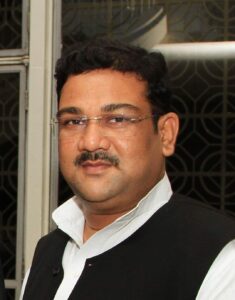
(Author is Professor in Comparative Literature e-mail profjasimmd@gmail.com)