Bisleri Reaffirms Product Safety, Cites Independent Laboratory Tests Amid FSSAI Controversy
Chairman CNMS Calls for Fact-Based Assessment, Transparency and Fair Regulatory Process; Prof Jasim Mohammad says Consumer Confidence Must Be Protected

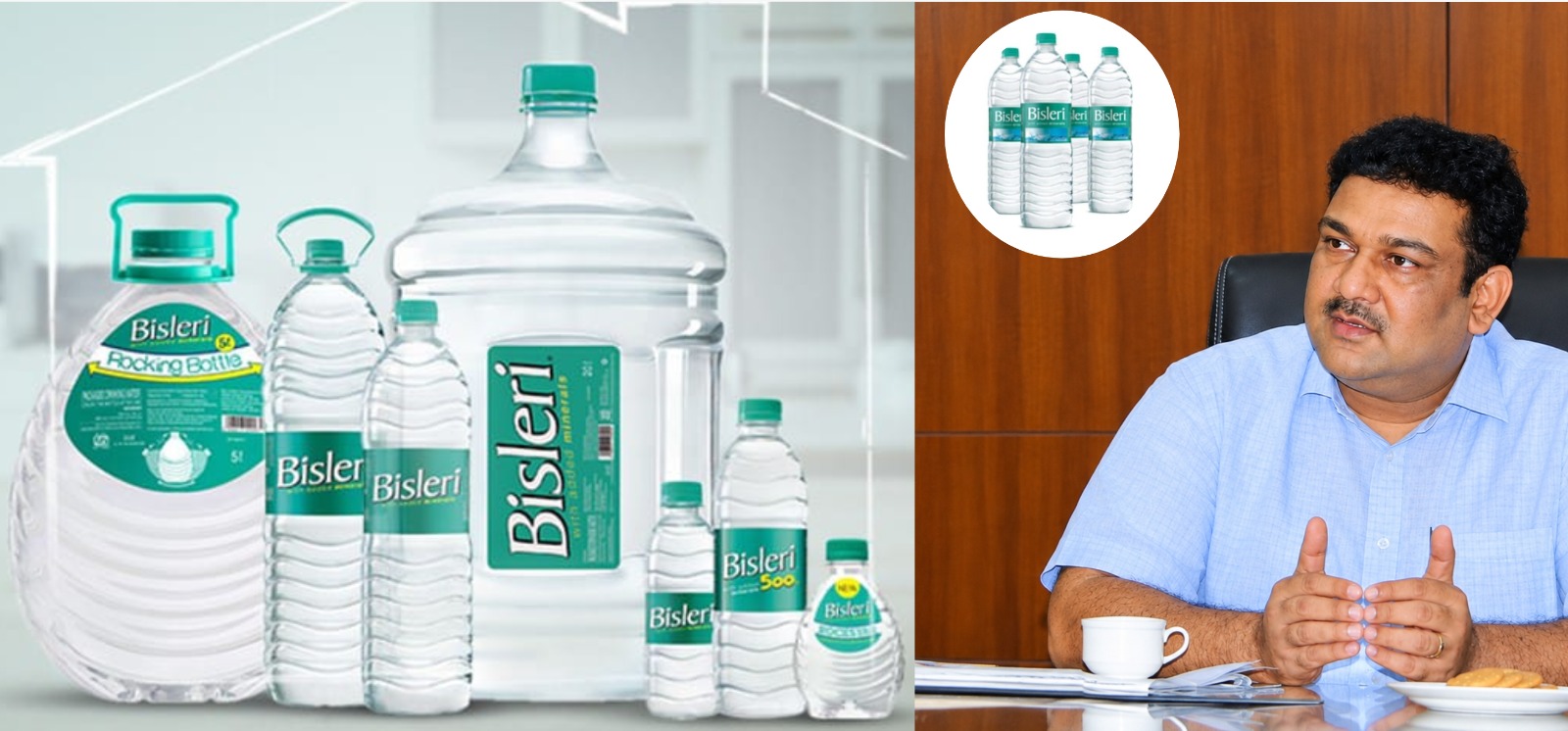
Bisleri International Pvt. Ltd. has reaffirmed the safety of its packaged drinking water, issuing a detailed clarification in response to recent media reports concerning action by the Food Safety and Standards Authority of India (FSSAI). The company has maintained that its products undergo stringent quality checks and that the disputed sample requires further clarification in view of differing laboratory findings.
According to Bisleri’s media statement dated November 23, the matter relates to a batch manufactured in September 2025 at its Goa facility, approximately 14 months ago. FSSAI collected six samples from the facility on September 30, 2025. Five samples reportedly met all applicable standards, while the sixth recorded a bromate level of 12 micrograms per litre, against the prescribed limit of 10 micrograms per litre.
Following the company’s appeal, the disputed sample was sent to a referral laboratory on November 22, 2025. While the referral laboratory found bromate within the prescribed limit, it separately flagged the presence of polynuclear aromatic hydrocarbons (PAHs). Bisleri subsequently arranged independent testing at an FSSAI-approved laboratory, which found bromate within the prescribed limit.
The company stated that it submitted these independent test results to FSSAI’s Western Regional Office through a formal letter dated February 2, 2026, but had received no further communication thereafter. It also said that it had not received the reported prosecution notice through email or in hard copy.
Commenting on the development, Prof. Jasim Mohammad, Professor and Chairman Centre for NaMo Studies, said, “Food safety and consumer confidence are matters of utmost importance. At the same time, regulatory action involving an established brand must be assessed through a fair, transparent and scientifically rigorous process. Independent laboratory findings and the company’s response deserve due consideration before conclusions are drawn.”
He further emphasised that public communication on food safety should be based on verified facts rather than sensational headlines. Consumers must receive accurate information, while businesses should have a fair opportunity to present scientific evidence and respond through the appropriate regulatory process.
Bisleri, which has more than five decades of presence in the Indian beverage industry, operates a network of 143 plants, over 6,000 distributors and approximately 7,500 distribution trucks across India and the UAE. The company says its manufacturing process involves more than 90 quality tests across ten stages of purification and production.
Chairman CNMS Prof. Jasim Mohammad observed that protecting consumer interests and maintaining confidence in India’s established food and beverage brands should go hand in hand. A balanced approach, he said, would strengthen both public trust and the credibility of the country’s food safety regulatory framework.