Chairman CNMS Prof. Jasim Mohammad says the next phase will focus on research, youth leadership and Viksit Bharat 2047
Centre for NaMo Studies Completes Ten Years, Continues Its Journey of Research, Dialogue and Nation-Building for Viksit Bharat 2047.

New Delhi, September 22, 2026: The Centre for NaMo Studies (CNMS) has completed ten years of its journey of research, dialogue and public engagement. The journey began in September, 2016, with an effort to study India’s changing development landscape and engage with ideas linked to Viksit Bharat and Aatmanirbhar Bharat. CNMS was formally registered in 2021 trust act, giving an institutional shape to the work that had begun earlier.
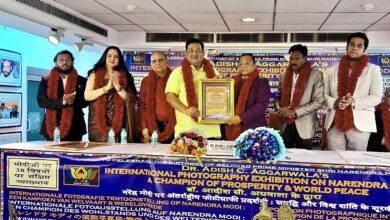
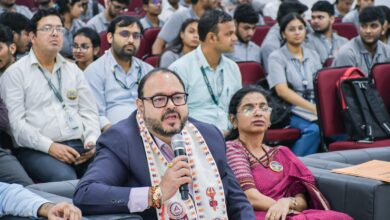
Over the past decade, CNMS has organised dozens of national and international seminars, conferences, debates, symposiums, lectures, panel discussions and academic programmes on issues connected with India’s social, educational, economic, cultural and political development. These programmes have brought together academics, researchers, students, experts, policymakers and young people and provided platforms for discussion and exchange of ideas.
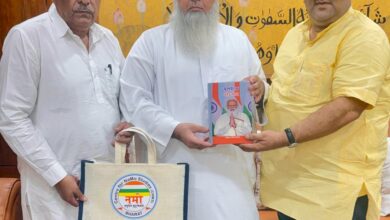
The Centre has published dozens of books and research-based publications covering themes related to India’s development, governance, education, culture, Indian knowledge traditions, leadership, social issues and national development. Through these publications, CNMS has sought to document ideas and discussions and make them available to a wider academic and public audience.
A major part of CNMS’s journey has been its growing academic partnerships. The Centre has signed MoUs with universities and colleges, including Central University of Haryana, National Sports University, Guru Ghasidas Vishwavidhalay, Chhattisgarh and Mata Sundri College for Women, University of Delhi, to promote academic cooperation, research, innovation and knowledge exchange. These partnerships provide opportunities for joint research, seminars, conferences, workshops and interaction among faculty members, researchers and students.
CNMS further expanded its educational outreach through Programmes of Understanding and institutional collaborations focusing on NEP 2020, Indian Knowledge Systems and Viksit Bharat. Its engagement with the Dr Ambedkar International Centre, Ministry of Social Justice and Empowerment, has supported academic programmes and discussions on education, inclusion and national development.
CNMS has also engaged with the NCPUL, Ministry of Education, for programmes related to Urdu & Modern Indian language and literature, Indian Knowledge Systems and India’s wider educational and cultural development. Such initiatives have brought students, scholars, writers and academics together to discuss India’s linguistic and cultural heritage.
CNMS Managing Trustee and Chairman Prof. (Dr.) Jasim Mohammad said completing ten years was an opportunity to look back at the journey while preparing for the future. “CNMS began with the belief that India’s transformation needs to be studied, discussed and documented. Over these ten years, we have tried to bring different voices together and create meaningful spaces for research and dialogue. Our next phase will focus even more on young researchers, academic collaborations, publications and the larger vision of Viksit Bharat 2047,” he said.
Trustee Prof. Divya Tanwar expressed gratitude to the academicians, researchers, experts, universities, institutional partners, students and well-wishers who have been associated with CNMS over the past ten years.
CNMS Researcher Tushita Bhandari said, As it enters its next decade, CNMS plans to strengthen research, books and publications, interdisciplinary studies, academic collaborations and youth programmes, while expanding its engagement with universities, research institutions and young scholars across the country.
Trustee & Group Editor of Journalism Today Group Javed Rahmani, Trustee of the Centre for NaMo Studies and Group Editor of the Journalism Today Group, highlighted the Centre’s decade-long journey of research and public engagement. He also expressed disappointment over the lack of adequate cooperation from the government machinery in efforts towards nation-building. He emphasised the need for greater engagement between the government and voluntary organisations, noting that bureaucratic hurdles have often limited meaningful interaction between Union Ministers, voluntary bodies and the wider public. According to him, the growing distance between the government and the people needs to be addressed through stronger institutional dialogue, and research institutions can play an important role in helping bridge this gap.