Three-Day FDP on “ICT and Emerging Technologies for Teachers, Teacher Educators and Pupil Teachers” by Department of Educational Studies, JMI in collaboration with CIET-NCERT, Concludes

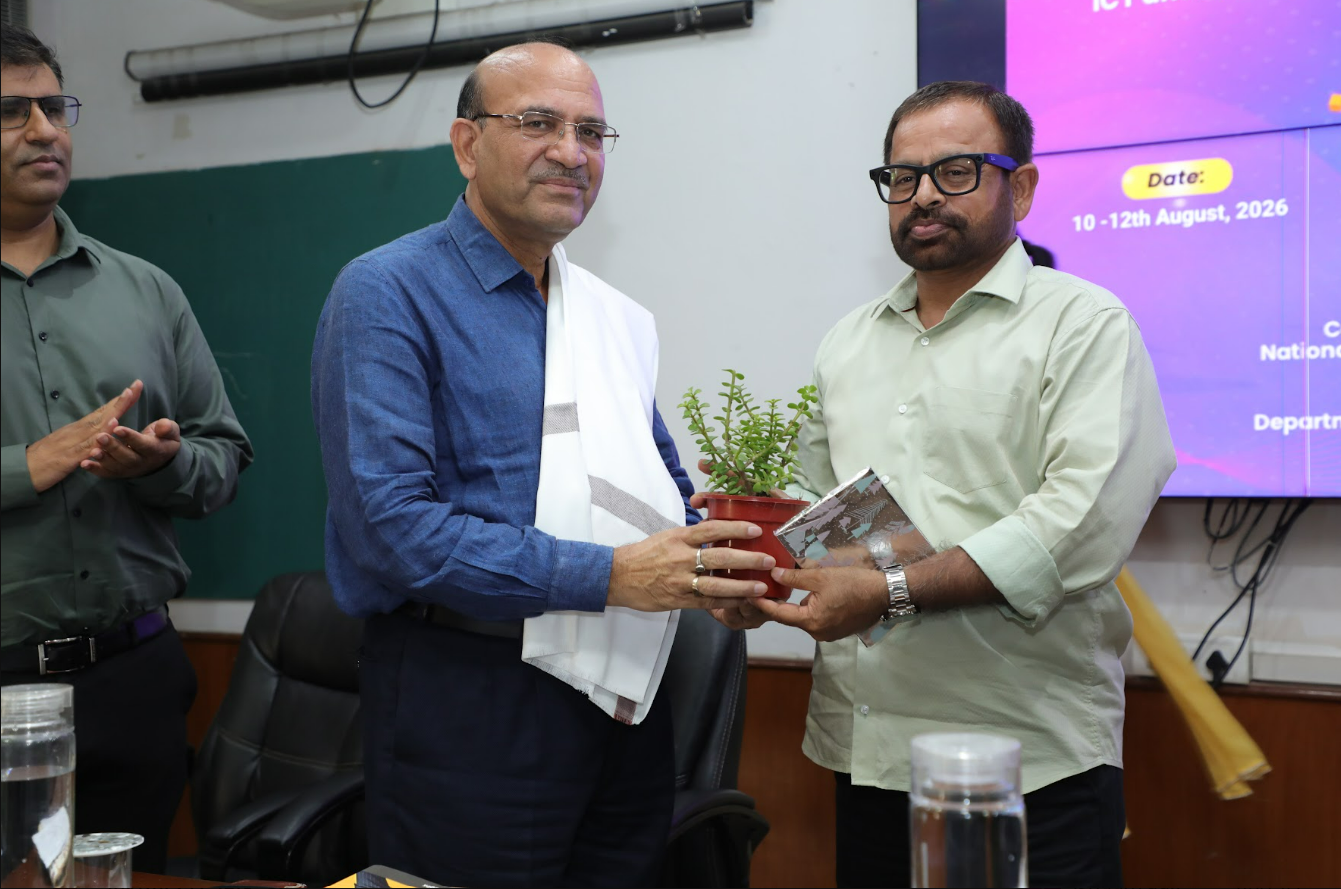
The Department of Educational Studies, Faculty of Education, Jamia Millia Islamia (JMI) in collaboration with the Central Institute of Educational Technology (CIET), NCERT, organized a three-day Faculty Development Programme (FDP) on “ICT and Emerging Technologies for Teachers, Teacher Educators and Pupil Teachers” from 10–12 August, 2026. The programme was designed to strengthen the technological and pedagogical capacities of teachers, teacher educators and pupil teachers and to enable them to engage meaningfully, critically and creatively with the rapidly changing landscape of educational technology. Approximately 100 participants, including pre-service and in-service teachers, postgraduate students and research scholars, have been participating in the programme.
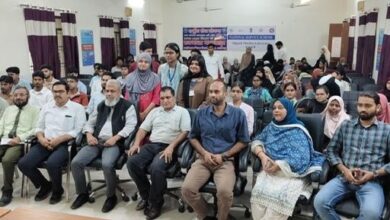
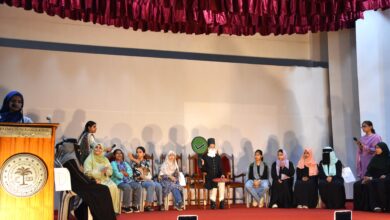
The first day commenced with the registration of participants through the DIKSHA application, followed by a pre-test designed to assess their existing knowledge and understanding of the themes related to the programme. The inaugural session was presided over by Prof. Mazhar Asif, Vice-Chancellor, Jamia Millia Islamia. Prof. Prakash Chandra Agarwal, Joint Director, NCERT, New Delhi, was the Chief Guest of the session. The programme was organized under the guidance of Prof. Aejaz Masih, Head, Department of Educational Studies. Prof. Kaushal Kishore and Dr. Sameer Babu M. served as Coordinators, while Dr. Afaque Nadeem Khan and Dr. Md. Musa Ali served as Organising Secretaries. The inaugural session was attended by the faculty members of the Department of Educational Studies, JMI.
The inaugural session commenced with the Tilawat-e-Qur’an followed by the Jamia Tarana. The welcome address was delivered by Prof. Aejaz Masih who extended a warm welcome to the Hon’ble Vice-Chancellor, the Chief Guest, coordinators, organizing team, faculty members, resource persons and all participants. He highlighted the growing importance of ICT and emerging technologies in contemporary education and appreciated the collaborative efforts of CIET, NCERT and the Department of Educational Studies in organizing the programme. He especially appreciated the efforts of Prof. Kaushal Kishore for collaborating with NCERT.
An overview of the FDP was subsequently presented by Prof. Shireesh Pal Singh, Professor, Media Production Division, CIET, NCERT. He explained the aims, objectives, need, scope and overall structure of the programme. Prof Singh elaborated on the course content and explained how the FDP had been designed to familiarize teachers, teacher educators and pupil teachers with contemporary ICT developments and emerging technologies relevant to education. He also explained the role of the DIKSHA platform in the implementation, assessment and certification of the programme, including the pre-test and post-test.
The address of the chief guest, Prof. Prakash Chandra Agarwal, Joint Director, NCERT, was one of the major highlights of the inaugural session. His insightful keynote lecture traced the evolution of technology and its growing influence on educational processes. Reflecting on the transition from analogue technologies to semiconductor-based developments, Prof Agarwal explained how technological advancement has progressively transformed the ways in which education is conceived and delivered. He recalled the idea of technology as an “equalizer” in education and emphasized that its meaningful use depends upon ensuring that all learners are able to benefit from technological opportunities.
The presidential remarks by Prof. Mazhar Asif, Hon’ble Vice-Chancellor, Jamia Millia Islamia, added a deeper philosophical and educational dimension to the inaugural session. Beginning with the Urdu couplet, Prof Asif reflected upon the deeper meaning of education, learning and human experience. He made an insightful distinction between “Gyaan” (knowledge) and “Shiksha” (education), emphasizing that education is much broader than the accumulation of information. True education, he suggested, involves understanding, values, experience and the meaningful application of knowledge.
Prof. Asif placed particular emphasis on experiential learning, encouraging educators to create opportunities through which learners can connect theoretical knowledge with real-life experiences. He also shared reflections from his own experience as a member of the committee involved in the drafting of the National Education Policy, providing participants with a valuable policy-oriented perspective on contemporary educational transformation. Prof Asif’s reflections connected the broader objectives of the FDP with the changing professional role of teachers in an increasingly technology-mediated educational environment.
The formal vote of thanks was proposed by Prof. Kaushal Kishore, Former Head, Department of Educational Studies, JMI. He expressed sincere gratitude to the VC, JMI, the chief guest, faculty members, coordinators, organizers, resource persons and participants for their valuable presence and contribution. He also acknowledged the dedicated efforts of organizing team especially Dr. Sameer Babu M., Dr. Afaque Nadeem Khan and Dr. Md. Musa Ali and all student volunteers, office staff and technical staff whose support contributed significantly to the smooth conduct of sessions. The inaugural ceremony concluded with the rendition of the National Anthem.