JMI hosts two-day national seminar on ‘Reimagining Peace and Development in India’s North East’

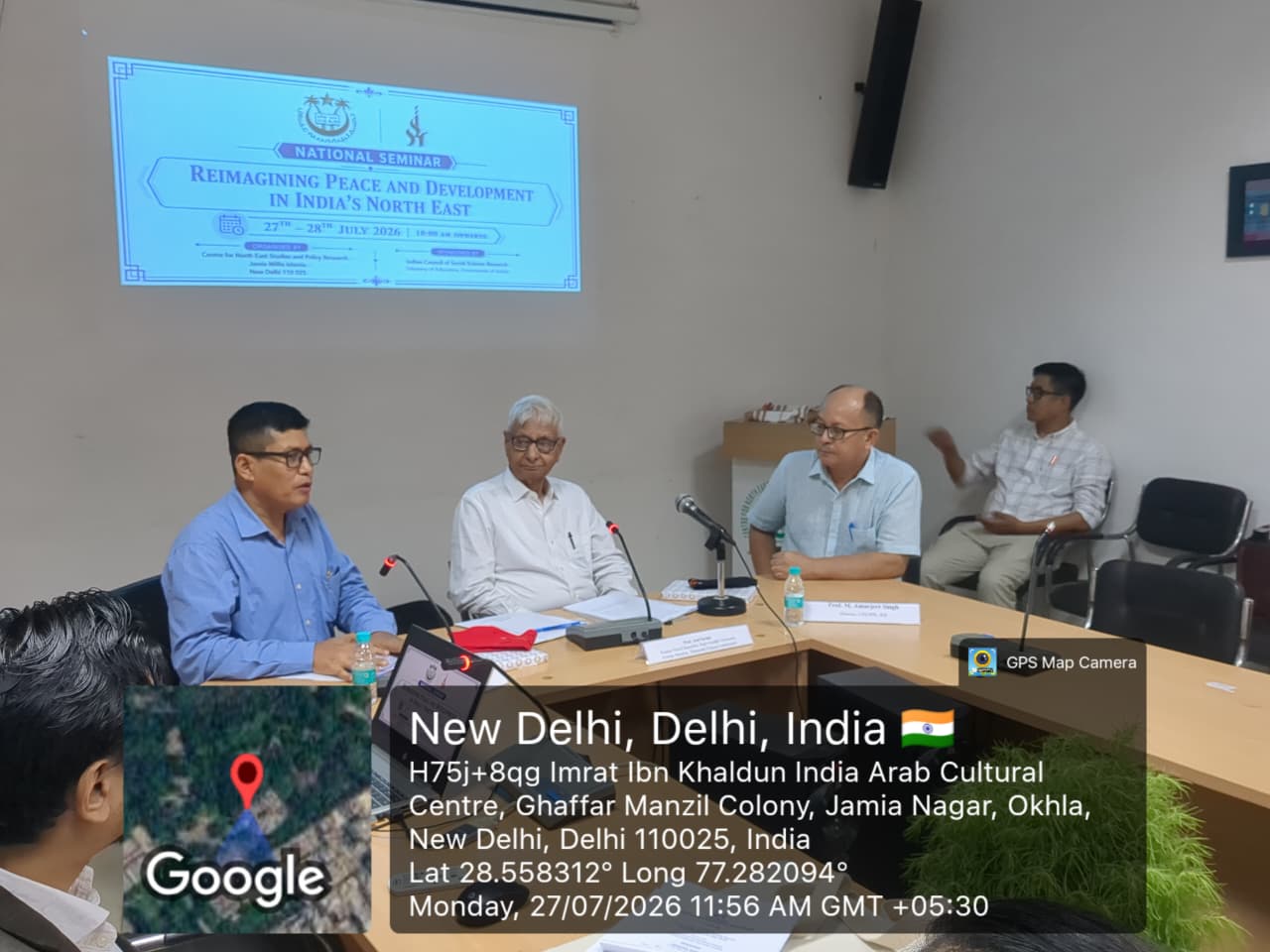
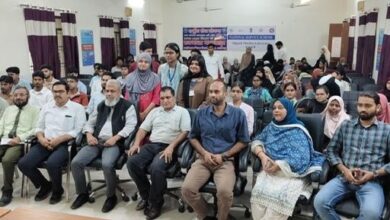
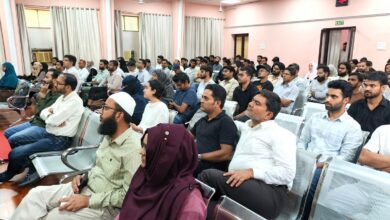
The Centre for North East Studies and Policy Research, Jamia Millia Islamia (JMI), New Delhi organized a two-day national seminar, Reimagining Peace and Development in India’s North East, on 27-28 July 2026. The seminar funded by the Indian Council of Social Science Research (Ministry of Education, Government of India), New Delhi convened scholars, policy analysts, and ground-level practitioners to re-evaluate how infrastructure, digital technology, conflict dynamics, and economic development intersect across the region.
The seminar initiated a critical dialogue on moving beyond traditional security-centric frameworks to address modern realities such as digital transformation, online violence, sustainable economic models, and durable peace.
The seminar started with an introductory remark by Prof. M. Amarjeet Singh, Director, Centre for North East Studies and Policy Research, who highlighted the Centre’s commitment to organising seminars and conducting funded projects with agencies such as the ICSSR. He expressed gratitude to the JMI administration, particularly the Vice Chancellor, JMI, Prof Mazhar Asif and the Registrar, JMI, Prof. Md. Mahtab Alam Rizvi, and also to the ICSSR for their unwavering support to the Centre.
The inaugural session was chaired by Prof. Ayangbam Shyamkishor of Mizoram University. In his remarks, Shyamkishor characterized North East India as a unique socio-cultural tapestry. He emphasized that understanding regional connectivity requires expanding the definition beyond physical roads and bridges to encompass cellular, internet, and digital access.
The keynote address was delivered by Dr. Syed S Kazi, Director, Council for Social and Digital Development, Guwahati. Kazi presented a digital retrospective showing how social media platforms have been weaponized to spread fake news, deepfakes, and hate-driven content targeted at specific ethnic groups. Kazi outlined the post-2000 digital transformation across the region. Dr. K. Kokho, Centre for North East Studies and Policy Research concluded the session with a formal vote of thanks.
The special lecture was chaired by Prof. Komol Singha, Jawaharlal Nehru University. The special lecture, titled Economic Development of Northeast India in the Context of New Dynamics, was delivered by Prof. Atul Sarma, former Vice-Chancellor of Rajiv Gandhi University, former Member of the Thirteenth Finance Commission, and former Director of the Indian Statistical Institute. Sarma’s presentation marked a significant conceptual departure from traditional policy frameworks, outlining a fundamental transition in how the region must be conceptualized within India’s broader growth narrative. With peaceful conditions prevailing across most states, the region is no longer an insurgency-ridden periphery; instead it is poised to act as India’s strategic, technological, and commercial gateway to Southeast Asia and the broader Asia-Pacific.
Apart from the keynote address and the special lecture, the seminar included six academic sessions that deliberated on (a) Understanding the Siliguri Corridor, (b) Border and Infrastructure Projects and India’s Neighbourhood, (c) Dynamics of Development, (d) Insurgency and Ethnic Politics; and (f) Challenges of Drug Trafficking and Peace Education.
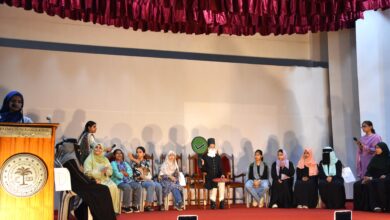
The valedictory session was chaired by Prof. Vijaylakshmi Brara of JMI. The valedictory address was delivered by Prof. Obijiofor Aginam, Director, UNESCO MGIEP on the theme Education for Peace in the Digital Age: Pathways from Media and Information Literacy. The address emphasised the importance of improving educational facilities in the North East region of India and addressing the continuing challenges affecting education in the region. The discussion highlighted the relationship between education, peace, and social development. The address further underlined the importance of media and information literacy in the digital age. Students and citizens must be equipped to critically evaluate information, identify misinformation, resist hate speech, and use digital platforms responsibly.
The seminar concluded with the vote of thanks delivered by Prof. M. Amarjeet Singh.