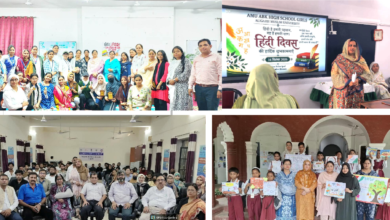
Department of Educational Studies, Faculty of Education, Jamia Millia Islamia hosts a Tool Validation Workshop

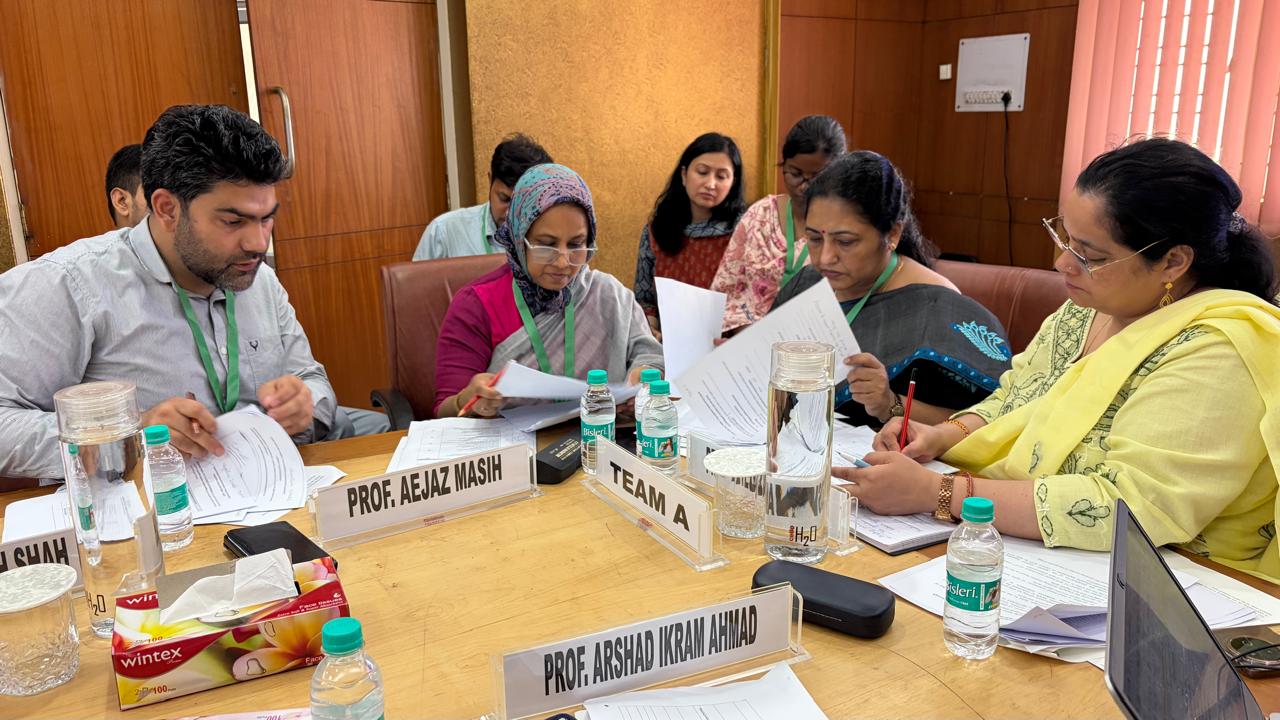
TNN News : The Department of Educational Studies, Faculty of Education, Jamia Millia Islamia (JMI) organized a day-long ‘Tool Validation Workshop’ Meeting under the ICSSR-sponsored longitudinal research project titled “Empowerment of Tea Tribes of Assam through Digital and Non-digital Skill Development Programmes.”
The workshop brought together academicians, experts, faculty members, researchers, and scholars to review and validate the research tools prepared for the study.
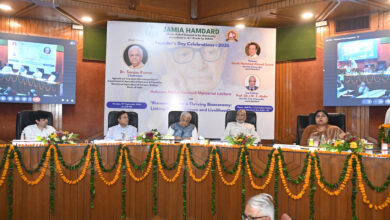
The programme commenced with the recitation of the Holy Quran following which Prof. Ahrar Husain, Project Director, delivered the welcome address and emphasized the importance of contextually relevant and methodologically sound research tools in educational and social science research. Distinguished guests and experts were felicitated with shawls and angavastram.
The inaugural lecture was delivered by Prof. Aejaz Masih, Officiating Dean, Faculty of Education and Head, Department of Educational Studies, JMI. He highlighted the significance of field validation, baseline data, and the balanced use of quantitative and qualitative research tools in conducting socially relevant research for marginalized communities.
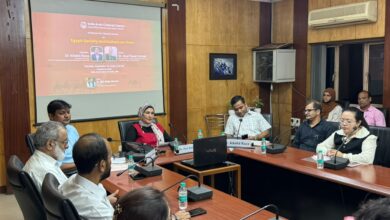
The first academic session commenced under the chairmanship of Prof. Ahrar Husain. Prof. Nivedita Goswami presented the socio-economic and geographical background of Tea Tribe communities in Assam and discussed the developmental challenges faced by tea plantation workers. She emphasized that the project aims to generate baseline data and support meaningful interventions through digital and non-digital skill development programmes. Dr. Quazi Ferdoushi Islam, Workshop Coordinator, presented the research tools and conceptual framework of the study. She discussed issues related to workers’ welfare, registration systems, educational opportunities, and empowerment of Tea Tribe communities. The following tools were presented for validation: 1. Survey Questionnaire 2. Government Schemes and Initiatives Tool 3. Digital Skills Assessment Tool 4. Interview Schedule 5. Focus Group Discussion (FGD) Need-Based Assessment Tool The workshop included detailed technical sessions focusing on content validity, language clarity, structure, relevance, scoring procedures, and suitability of the tools. Experts recommended categorizing workers such as casual, permanent, and seasonal groups; focusing particularly on youth beneficiaries; identifying barriers to accessing schemes; developing separate tools for different stakeholders; and incorporating questions related to Digital India, youth empowerment, welfare benefits, and demographic details.
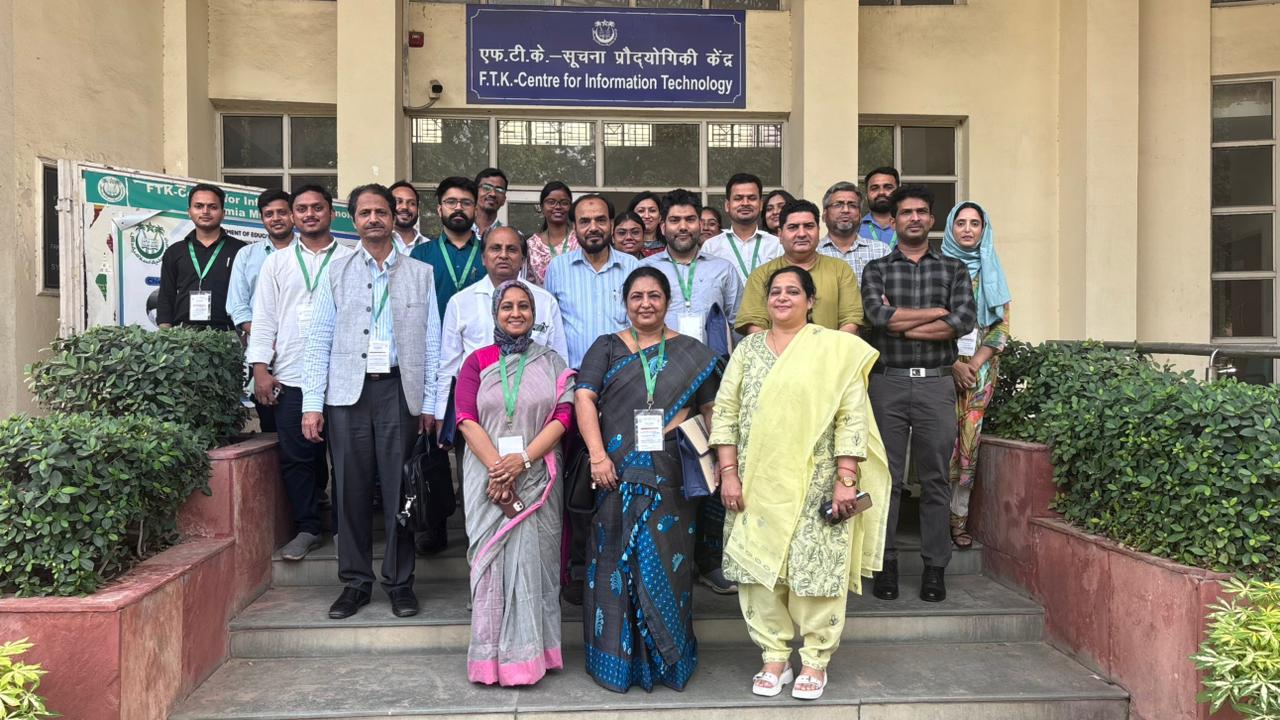
The workshop concluded with valuable academic discussions and recommendations for strengthening the research tools and ensuring effective field-based research among Tea Tribe communities of Assam.